

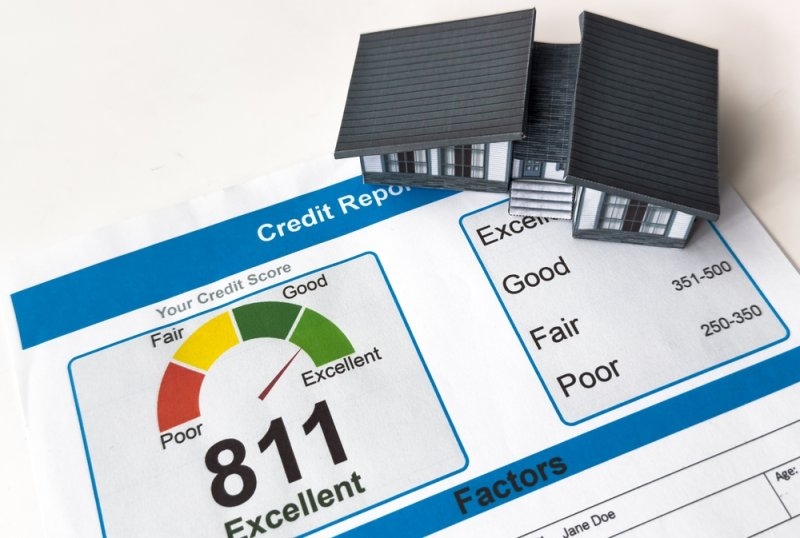
Applying for financing can feel overwhelming when financial stress builds up. According to recent consumer financial data from Experian, over sixty percent of unsecured personal loan approvals go to borrowers with credit scores above 670. Knowing the exact credit score for personal loan eligibility gives you complete control over your borrowing journey.
Understanding loan qualification metrics helps you secure competitive interest rates and avoid costly application denials. In this comprehensive guide, we will break down the credit score needed for personal loan approval, examine the minimum credit score for personal loan options, explore personal loan credit score requirements, and share actionable strategies to qualify for financing even with a limited credit history.
Lenders evaluate applicant creditworthiness using standardized scoring models ranging from 300 to 850. Understanding where your rating falls helps determine your approval odds and potential interest rates.
| Credit Tier | Score Range | Loan Approval Expectations & Rate Impact |
| Excellent | 740 – 850 | Highest approval odds, lowest interest rates (6% – 12% APR), and maximum loan amounts. |
| Good | 670 – 739 | Fast approvals and competitive annual interest rates (13% – 19% APR). |
| Fair | 580 – 669 | Moderate approval rates with stricter income verification and higher interest rates (20% – 28% APR). |
| Poor | 300 – 579 | Subprime lending tier requiring co-signers, collateral, or high interest rates (29%+ APR). |
A good credit score for personal loan approval generally starts at 670. Applicants in this tier demonstrate responsible credit management, making lenders eager to offer low interest rates and generous repayment windows.
While traditional banks prefer higher scores, many online lenders set the minimum credit score for personal loan eligibility around 580 to 600. Some specialized financial institutions cater specifically to subprime borrowers without minimum score thresholds.
Lenders offering low-threshold loans often balance risk by charging higher interest rates or requiring proof of stable income. Evaluating total borrowing costs ensures your monthly payments remain manageable.
Try This: What Are Credit Score Factors, and Why Do They Affect?
Your credit profile directly influences loan pricing and approval terms. Lenders use your score to predict the statistical likelihood of timely monthly repayments.
Higher credit ratings unlock lower interest rates because lenders assume minimal default risk. Conversely, lower scores result in elevated annual percentage rates to offset financial risk.
Lenders also examine your debt-to-income ratio alongside credit ratings. Keeping total monthly debt payments below 36% of gross income enhances approval odds significantly.
Having a lower score does not automatically rule out loan approval. Strategic preparation helps bad credit borrowers secure necessary funding on reasonable terms.
| Qualification Strategy | Operational Mechanism | Key Benefit for Borrowers |
| Apply with a Creditworthy Co-Signer | Adds a secondary guarantor with strong credit to the loan contract. | Significantly reduces lender risk, improving approval odds and unlocking lower interest rates. |
| Offer Collateral for Secured Loans | Pledges personal assets (vehicle, savings account, CD) as loan backing. | Offsets bad credit risk, allowing borrowers with low scores to secure higher funding limits. |
| Prequalify with Multiple Lenders | Uses soft credit checks to estimate interest rates across online lenders. | Allows side-by-side comparison of loan offers without impacting your credit score. |
| Reduce Existing Credit Card Balances | Lowers overall credit utilization ratio below 30% before submitting applications. | Provides a fast boost to your credit score and lowers your debt-to-income (DTI) ratio. |
Essential Reads: Personal Loans vs. Credit Cards: Which Fits Your Finances
Securing personal financing requires a clear understanding of credit scoring metrics, lender thresholds, and risk factors. Throughout this guide, we explored how credit tiers impact approval odds, reviewed minimum rating requirements, analyzed how credit scores dictate interest rates, and outlined practical steps for bad credit qualification.
Managing debt responsibly and tracking credit metrics empowers you to navigate borrowing decisions with complete confidence. Take charge of your financial wellness today by exploring flexible loan options and taking proactive steps to optimize your credit profile!
Ready to take control of your financial future and unlock competitive borrowing terms? Apply online today to check your personalized loan rates in minutes without impacting your credit score!
Lenders verify borrower income by requesting recent pay stubs, W2 forms, tax returns, or bank account statements. Self-employed applicants typically submit two years of personal and business tax documentation alongside profit and loss statements. Digital income verification tools also allow lenders to confirm direct deposits through connected financial accounts.
A soft credit inquiry occurs during preliminary background checks or prequalification processes and does not affect your credit score. A hard credit inquiry occurs when a lender conducts a complete credit evaluation following formal loan application submission, temporarily lowering your score by a few points.
Joint personal loans allow two borrowers to share legal responsibility for debt repayment. Combining income and credit profiles lowers overall lender risk, allowing primary applicants with lower scores to secure better interest rates and higher funding amounts than individual applications allow.
Funding timelines vary by financial institution, with many online lenders delivering funds within one to three business days following final approval. Traditional banks and credit unions may take up to five business days to process and disburse funds into borrower accounts.
Paying off a personal loan early reduces overall debt load and eliminates monthly interest expenses. While early payoff lowers total debt balances, keeping the account active until scheduled completion helps maintain long-term credit mix and average account age metrics.
This content was created by AI